← Back to Projects
Lemon·2011 – 2014·Product Design

Optimizing conversion.

How the Lemon Wallet app successfully increased conversion by rethinking the onboarding flow.

Lemon Wallet logo
Lemon Wallet

About Lemon.

In May 2011, Wences Casares recruited me to join his new startup. At that point there was no product and no name — he just wanted to do something in fintech. I packed my bags and moved from Buenos Aires to Palo Alto.

We started developing a basic product that scanned receipts, extracting the valuable information and organizing it. Over time we learned that the receipt feature alone was not generating enough interest, so we started thinking about something more ambitious.

The product.

We noticed people were taking pictures of their documents and cards and emailing them to themselves as a backup. Why not make a product out of that?

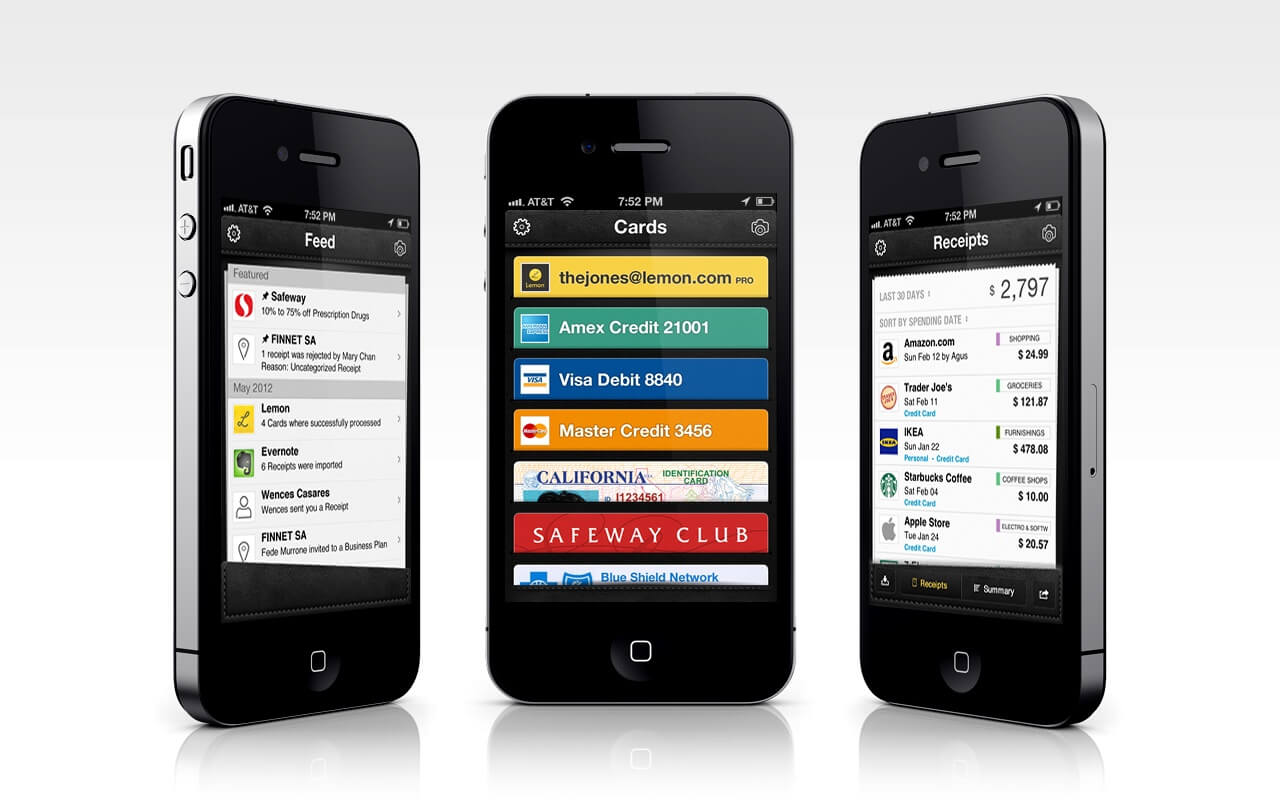
When we launched Lemon Wallet in March 2012, we positioned it as "a backup of your wallet" — helping users take good pictures of all their cards, extracting as much information as possible, and organizing them neatly.

But value was mostly perceived too late — after something went wrong:

I should have scanned all my cards with Lemon. — Users, after losing their wallet

The magic moment was lost. Note that at the time Passbook had not been launched, and skeuomorphism was still a thing.

Lemon Wallet — Feed, Cards and Receipts screens
Feed, Cards & Receipts

The problem.

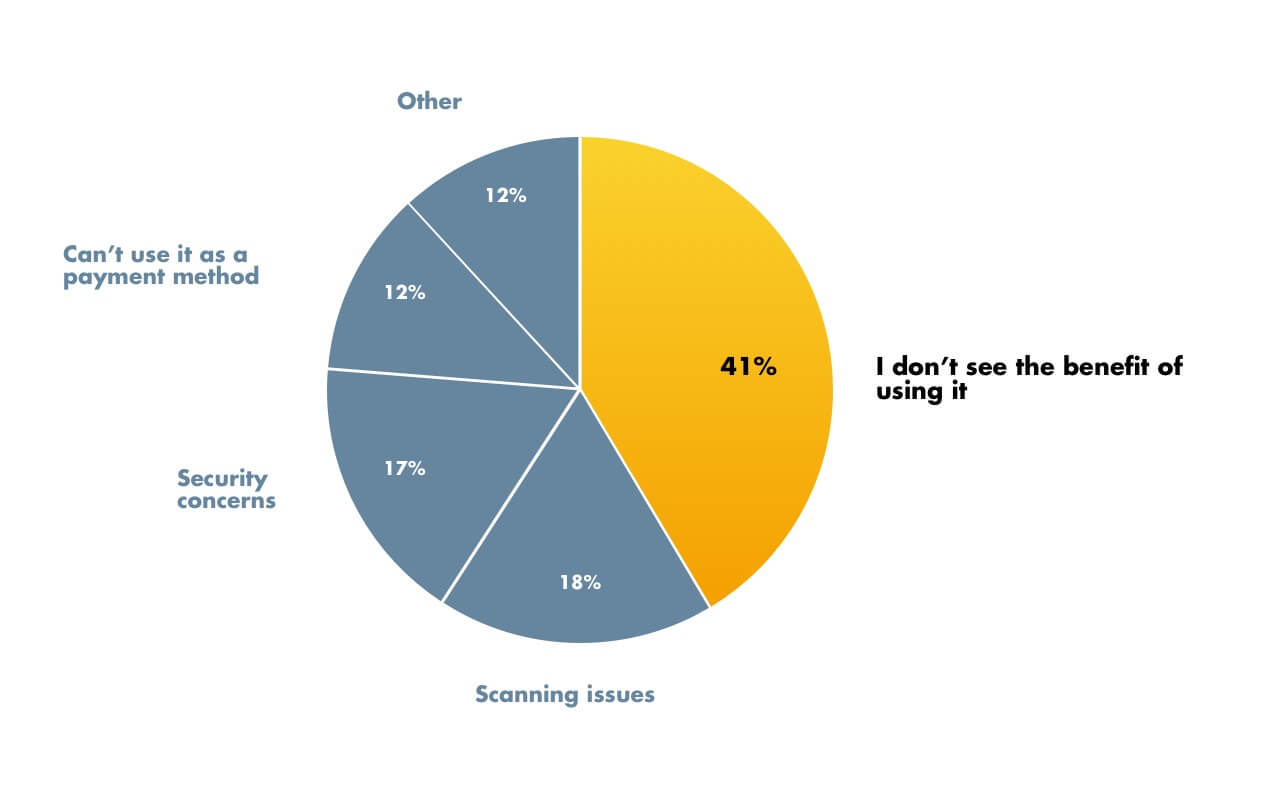
We were seeing significant churn, so we surveyed users with a simple question: "Why did you stop using Lemon?" The top answer was striking.

I don't see the benefit of using it. — 41% of surveyed users

Users were not perceiving value quickly enough.

Survey results — why users stopped using Lemon
Survey — reasons users stopped using Lemon
01

Product in use

Showing the value right after users opened the app could make them want their cards backed up, just in case. That moment — seeing the value — was the perfect time to prompt them to scan.

I worked with Mat Gallipoli to create a series of images for an onboarding slideshow shown right after the app was opened, so users would immediately become aware of functions they might not have considered.

Lemon Wallet in use — boarding pass on a phone
Showing value in context
02

User testing

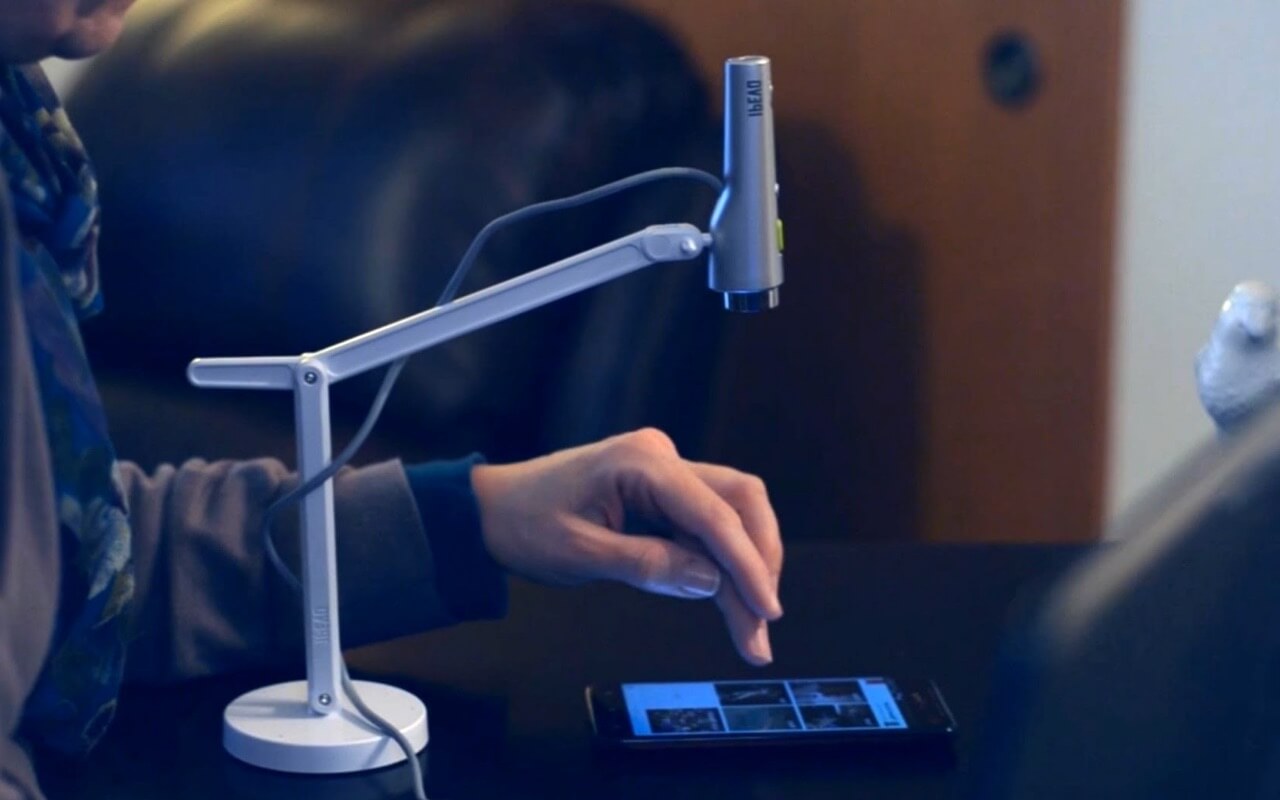
After releasing the photo onboarding, conversions began to improve — but something still wasn't fully working. We ran a series of user tests with an overhead camera filming people as they used the app.

We found two things. First, users were not thoroughly reading our copy. Second, a surprising number of users were literally rubbing the card on the phone screen, as if it were a scanning machine. We never saw that one coming.

User testing with an overhead camera
Testing with an overhead camera
03

Video solution

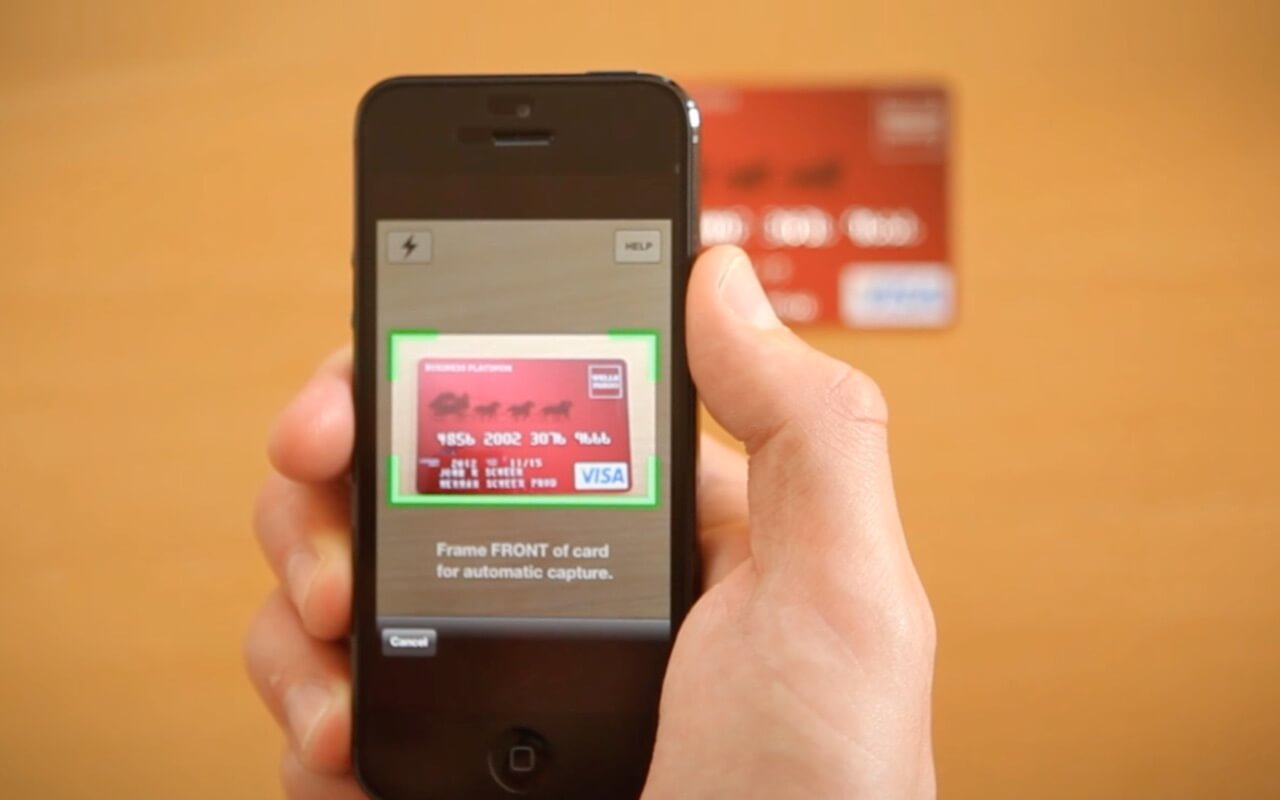
We decided to test a short video instead of the static photo slideshow. It solved the problem of users not reading, and it showed real-life situations that were easier to grasp. The final frame demonstrated the correct way to hold the phone and capture a card.

Immediately after that frame, the camera view opens — so users can start scanning right after they've seen the value, and been shown how to do it.

We were a bit skeptical about auto-playing a video right at launch — it felt intrusive, and there wasn't much information in 2012 about video usage in apps. But we tried it anyway.

Scanning a credit card in the Lemon app
Scanning a card, right after the video

Results at launch.

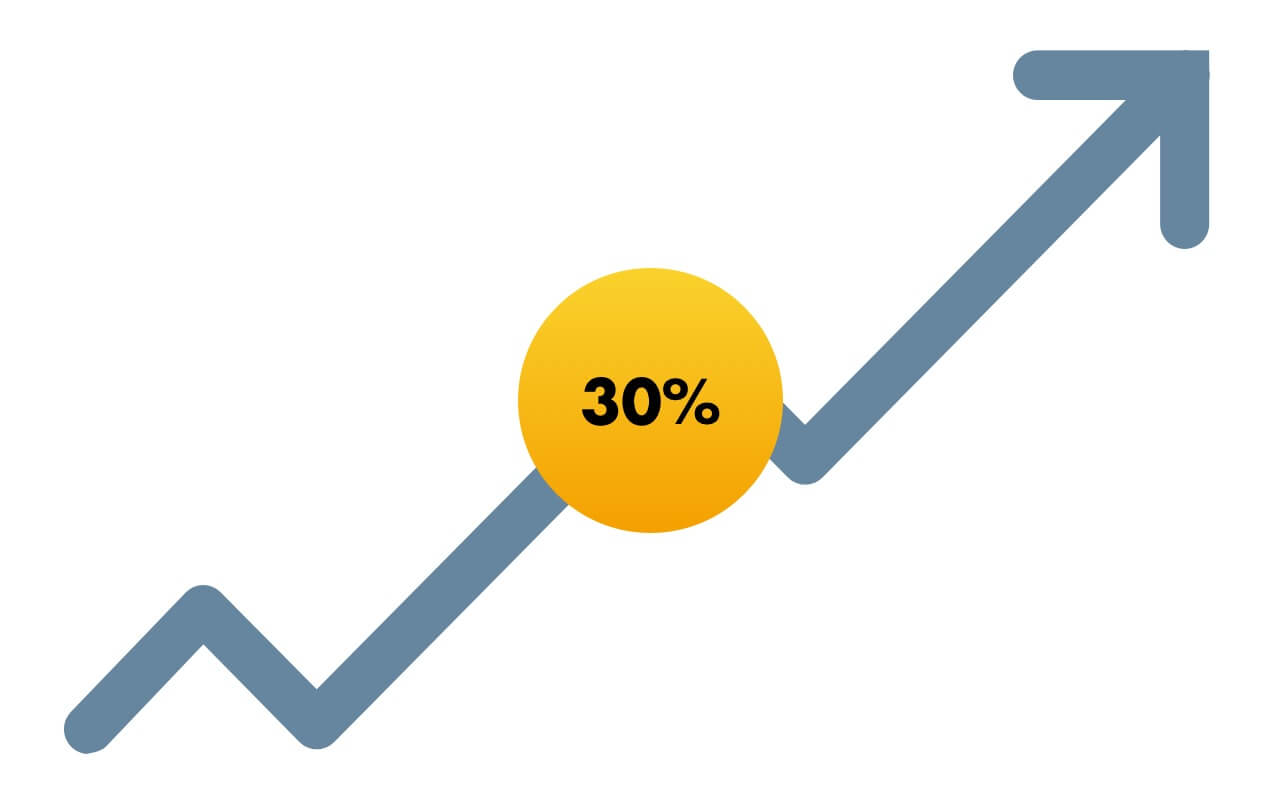
After all those changes we saw a 30% improvement in completion flow. Users started scanning not only loyalty cards and IDs, but also their payment cards. Those changes allowed us to reduce churn and move on to the next step — monetization.

30% improvement in completion flow
+30% completion flow

The epilogue.

Thanks to these improvements and other optimization efforts, we were able to launch a successful paid subscription — our path toward profitability.

A few months later, LifeLock, an identity-theft protection company looking for a free product with a paid subscription option, got interested in us. In December 2013, LifeLock acquired Lemon Wallet. For the next six months I stayed on at LifeLock, rebranding the product and adapting our paid subscription to LifeLock's strategy.

Lemon and LifeLock logos
LifeLock acquires Lemon Wallet — December 2013
Wiki is one of the best designers that I know. He truly understands how to design products that consumers fall in love with. The majority of Lemon's success was based on us having a beautiful mobile application that consumers enjoyed interacting with — and Wiki's design and UX vision helped make Lemon one of the most downloaded Finance apps ever. — Former Lemon teammate